
Gum disease can silently erode the structures that hold your teeth in place, and by the time most patients notice, significant damage has already occurred beneath the surface. Guided tissue regeneration offers a proven surgical approach to rebuilding those lost periodontal structures, giving your natural teeth a genuine second chance.
At LALUME Dental Studio in Newport Beach, we approach every case with the belief that preserving your natural tooth structure is always the priority. Dr. Shahira Saad brings a minimally invasive, conservative philosophy to every treatment she provides, and our gum disease treatment care is no exception. We tailor every plan to your specific anatomy, goals, and long-term oral health.
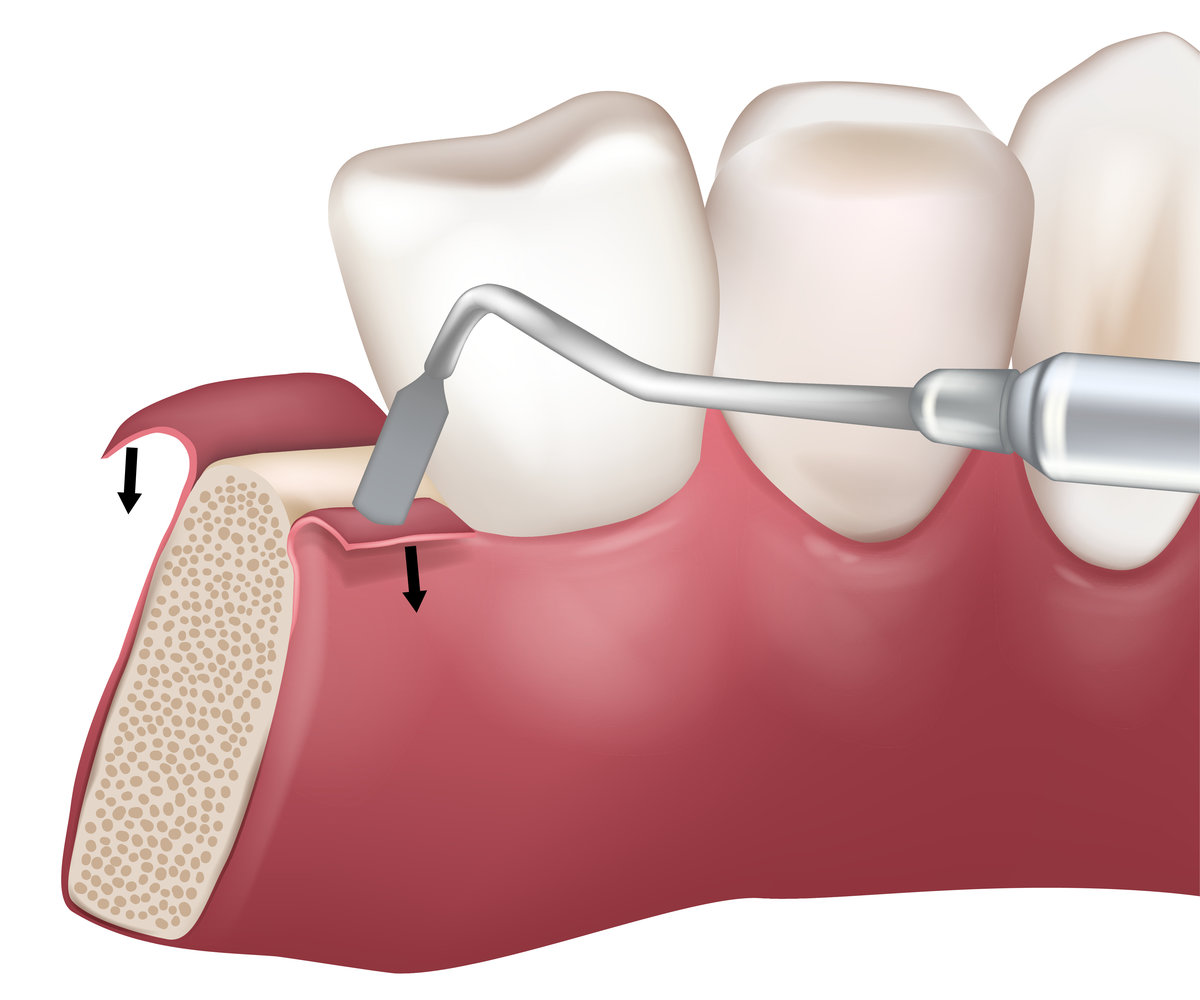
Our approach to guided tissue regeneration is rooted in precision, artistry, and genuine care for your long-term results.
We use the most conservative techniques available, preserving as much natural tissue as possible while still achieving meaningful regeneration.
Every case at LALUME begins with a thorough consultation. Dr. Saad takes the time to understand your specific bone and tissue loss before recommending a course of action.
Our Newport Beach studio is designed to feel warm, private, and serene. Patients receive one-on-one attention from Dr. Saad from start to finish, with no double-booking and no rushing.
Guided tissue regeneration, commonly referred to as GTR, is a surgical procedure designed to restore the bone, periodontal ligament, and cementum lost due to advanced gum disease. When gum disease progresses untreated, these supporting structures break down, which can lead to loosening teeth and, eventually, tooth loss. GTR addresses this damage directly at its source rather than simply managing symptoms.
During the procedure, Dr. Saad places a specialized barrier membrane between the gum tissue and the bone defect. This membrane prevents faster-growing soft-tissue cells from filling the space before the slower-growing bone and ligament cells have a chance to regenerate.
According to a 2023 review on regenerative membrane techniques for periodontal treatments, these barrier membranes are central to creating the right environment for periodontal tissue repair. The membrane may be resorbable, dissolving on its own over time, or it may require a second appointment for removal, depending on what Dr. Saad determines is best for your case.
GTR is most effective for treating specific types of bone defects, including narrow intrabony defects and certain furcation involvements around the roots of back teeth. It is often considered when conventional periodontal treatment alone is not sufficient to restore lost attachment levels. In some cases, GTR is performed alongside a bone graft, and it may also improve the long-term prognosis for teeth that might otherwise require replacement with dental implants.
Not every patient with gum disease will need guided tissue regeneration, and candidacy is determined through a comprehensive evaluation. Dr. Saad will review your periodontal health, assess the type and depth of any bone defects present, and consider your overall oral health before recommending this procedure. GTR is typically considered after initial periodontal therapy is complete and inflammation has been controlled.
Recovery following guided tissue regeneration requires patience and a commitment to post-operative care. Patients are advised to avoid disturbing the surgical site, follow a modified diet, and maintain careful oral hygiene in the surrounding areas. Healing unfolds over several months as bone and periodontal ligament cells gradually repopulate the treated area. Patients who also have concerns about tooth structure may benefit from discussing dental crowns or other restorative options once periodontal stability is confirmed.
Each of these factors plays a role in a successful GTR outcome:
Attending to each of these elements gives patients the strongest possible foundation for a lasting outcome.
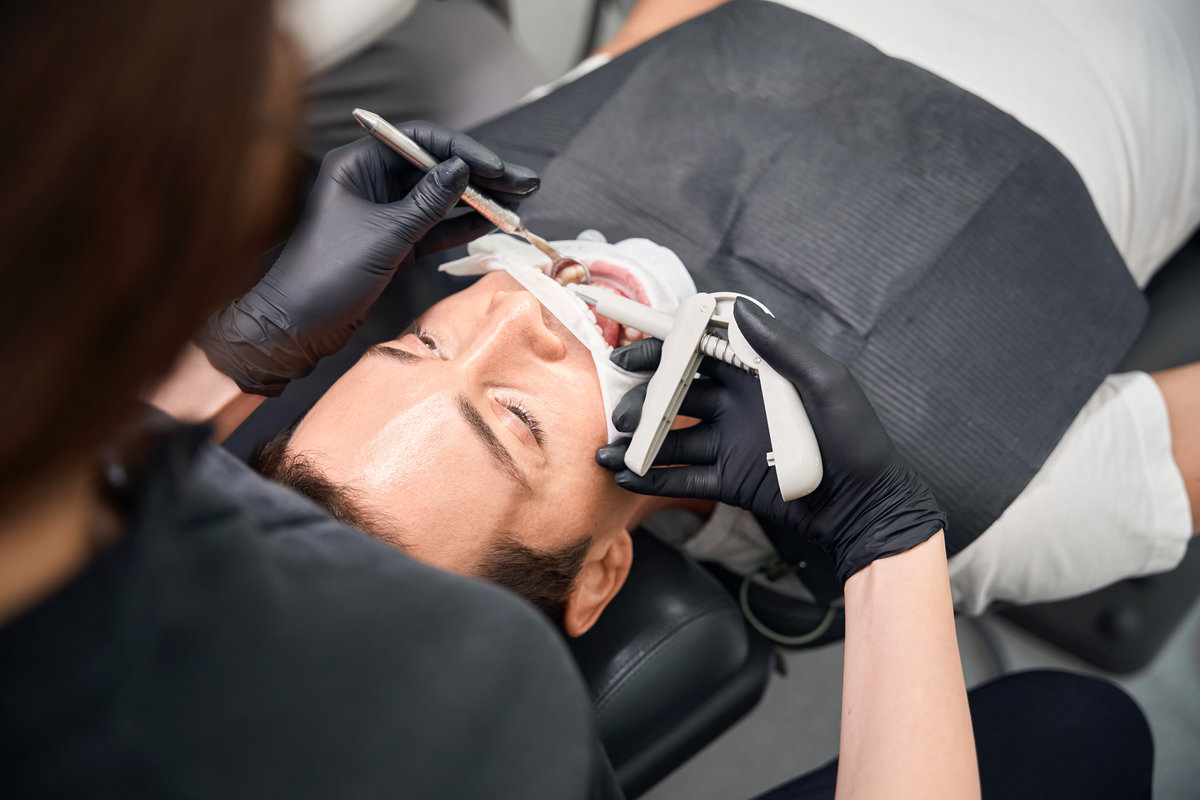
We know patients often have questions before committing to a periodontal surgical procedure. Below are some of the most common ones we hear at our Newport Beach office.
GTR is performed under local anesthesia, so patients typically feel minimal discomfort during the procedure. Post-operative soreness is normal and manageable with prescribed or over-the-counter medications. For patients with dental anxiety, Dr. Saad is certified in oral conscious sedation, which allows even the most nervous patients to receive care comfortably.
Regeneration is a gradual process that unfolds over several months. Patients often undergo follow-up imaging and clinical measurements at set intervals to monitor how tissue and bone are responding. A full assessment of results typically does not occur until six to twelve months after the procedure.
Yes. GTR is frequently performed alongside bone grafting and may be part of a broader full mouth rehabilitation plan for patients with more extensive needs. Dr. Saad will outline every component of your treatment during your consultation, so you have a complete picture before moving forward.
Coverage varies by plan. LALUME Dental Studio accepts most PPO insurance plans, and our team is happy to help you understand your benefits before treatment begins. We also offer flexible financing through Cherry and CareCredit to help make your care accessible.
Give us a call to speak with one of our friendly team members, and schedule a consultation with Dr. Saad.
Advanced periodontal disease does not have to mean losing your teeth. Guided tissue regeneration, performed with the precision and care Dr. Shahira Saad brings to every procedure, may offer a meaningful path toward restoring what gum disease has taken. Dr. Saad earned her dental degree Cum Laude from UCLA School of Dentistry and completed an AEGD residency, giving her a strong clinical foundation for complex periodontal and restorative care.
If you are ready to take the next step, we invite you to meet Dr. Saad and learn more about her approach before your first appointment. To schedule a consultation, please contact our office and let us know how we can help.
Receive high-quality, personalized treatment recommendations from Dr. Saad and get answers to all your smile questions from the comfort of your own home.
Ample secure and safe paid parking located on-site.
We use cookies to improve your experience on our site. By using our site, you consent to cookies.
Manage your cookie preferences below:
Essential cookies enable basic functions and are necessary for the proper function of the website.
CloudFlare provides web performance and security solutions, enhancing site speed and protecting against threats.
Service URL: developers.cloudflare.com (opens in a new window)
These cookies are needed for adding comments on this website.
Google reCAPTCHA helps protect websites from spam and abuse by verifying user interactions through challenges.
Google Tag Manager simplifies the management of marketing tags on your website without code changes.
Statistics cookies collect information anonymously. This information helps us understand how visitors use our website.
Google Analytics is a powerful tool that tracks and analyzes website traffic for informed marketing decisions.
Service URL: policies.google.com (opens in a new window)
Marketing cookies are used to follow visitors to websites. The intention is to show ads that are relevant and engaging to the individual user.
Facebook Pixel is a web analytics service that tracks and reports website traffic.
Service URL: www.facebook.com (opens in a new window)
Google Maps is a web mapping service providing satellite imagery, real-time navigation, and location-based information.
Service URL: policies.google.com (opens in a new window)
Join Our VIP List
"*" indicates required fields