
Dental implants are one of the most effective and long-lasting tooth replacement options available, but their success depends entirely on the quality and volume of the jawbone that surrounds them. When bone has been lost to tooth extraction, periodontal disease, or the gradual resorption that follows years of missing teeth, there may not be enough structure to support an implant securely. Bone grafting rebuilds that foundation, making implant treatment possible for patients who would otherwise not be candidates.
At LALUME Dental Studio in Newport Beach, bone grafting is available as part of our comprehensive approach to dental implant planning and restorative care. Dr. Shahira Saad, a UCLA School of Dentistry graduate who trained in advanced oral surgery techniques during her AEGD residency, evaluates every grafting case with a conservative lens — preserving as much natural structure as possible while creating the bone volume the implant will need. Dr. Ara Bakian, our visiting periodontist, joins us monthly for complex grafting cases including sinus lifts and ridge augmentations.
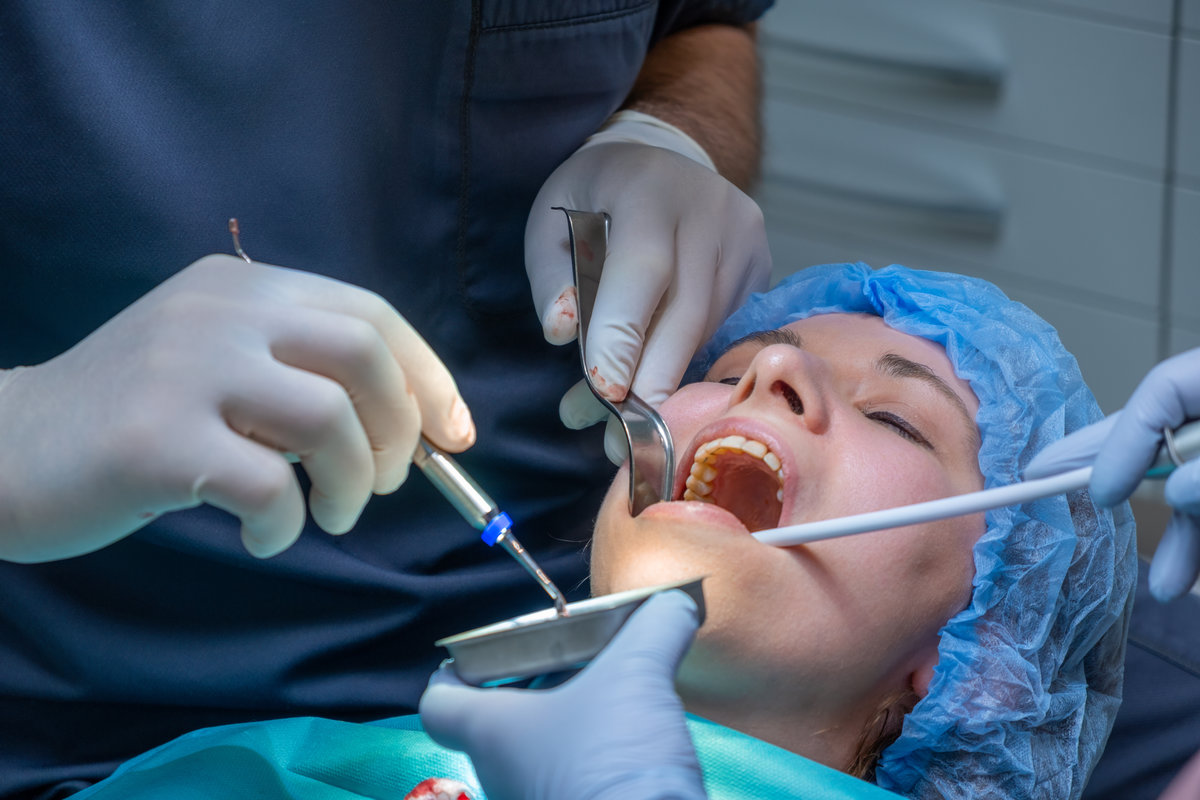
We believe that preparing your smile for implants should be just as thoughtful as the implant process itself.
Every bone grafting case at LALUME begins with a thorough evaluation of your bone volume and density using digital scanning. Dr. Saad or Dr. Bakian reviews imaging in detail — measuring exactly how much bone is present, where it falls short of what an implant will need, and which grafting approach best fits your anatomy. This planning step determines whether a socket preservation, ridge augmentation, or sinus lift is appropriate, and ensures the recommendation is grounded in your specific anatomy rather than a default protocol.
Dr. Bakian joins LALUME monthly as our in-house periodontist, bringing advanced training specifically in bone and gum tissue — the disciplines behind every grafting procedure we perform. For complex cases including sinus lifts, ridge augmentations, and multi-site preparations, Dr. Bakian's periodontal specialty training means the level of precision and experience he brings is that of a dedicated specialist, not general dentistry with grafting added on. That level of care is available to LALUME patients without a referral outside our practice.
From our sedation options to our spa-like Newport Beach environment, we have designed every aspect of the LALUME experience to keep you relaxed and informed throughout your care.
A bone graft is a procedure that adds bone material to an area of the jaw where height, width, or density has been lost. The graft material acts as a scaffold — over the following months, your own bone cells grow into and around it, gradually forming new, living bone that is strong enough to anchor a dental implant. Bone grafting is most often recommended as a precursor to implant placement rather than a stand-alone treatment.
There are several types of graft material used depending on the case. An autograft uses bone harvested from another area of the patient’s own body, offering the highest biological compatibility. An allograft uses processed bone from a certified human tissue bank, rigorously screened for safety and ready to integrate. A xenograft uses highly purified bone from an animal source — typically bovine — which serves as a reliable scaffold for new bone growth. Depending on where bone is needed, grafting may take the form of a socket preservation (placed immediately after extraction to prevent bone loss at the site), a ridge augmentation (rebuilding a section of the jaw that has narrowed or flattened after long-term tooth loss), or a sinus lift (adding bone beneath the sinus cavity to create space for implants in the upper back jaw).
Research published in the Journal of Functional Biomaterials via the National Institutes of Health, drawing on a large national dataset of over 40,000 implant procedures, found that simultaneous bone augmentation with implant placement achieves a clinical success rate of 97.83%, confirming that bone grafting is a well-established and predictable step in implant care. Dr. Saad recommends grafting only when imaging confirms it is genuinely needed — never as a precaution when adequate bone already exists.
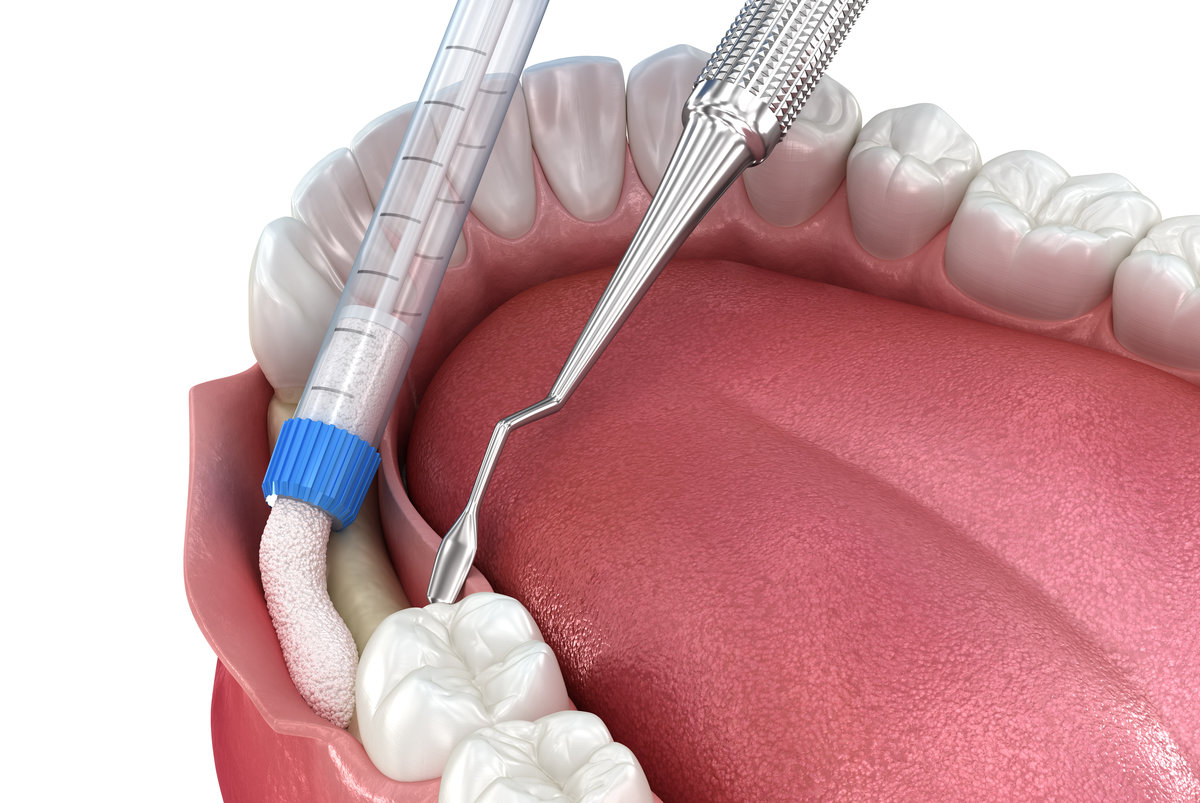
Bone grafting follows a deliberate timeline because lasting results depend on the graft fully integrating with your natural bone. At your consultation, Dr. Saad or Dr. Bakian reviews your imaging, explains the recommended approach, and walks you through what the recovery period will look like for your specific case. Our team uses digital scanning to provide precise measurements and support a clear, well-mapped treatment plan.
The procedure itself is performed under local anesthesia with sedation options available. Graft material is carefully placed at the site and the area is closed to protect it while healing begins. In some cases — particularly socket preservation — grafting can be performed at the same time as a tooth extraction, minimizing the total number of procedures required.
After grafting, mild swelling and tenderness for the first two to four days is normal and manageable with the post-operative instructions our team provides. Most patients return to regular activities within a few days. The graft then undergoes a healing and integration period during which your own bone cells gradually grow into and replace the graft material — typically spanning three to six months depending on the size and location of the graft. We confirm readiness with follow-up imaging before moving to the next stage of your implant or full-mouth rehabilitation plan, rather than relying on a fixed calendar date.
If you have questions about bone grafting, you are not alone. Here are answers to some of the things our patients ask us most.
Give us a call to speak with one of our friendly team members, and schedule a consultation with Dr. Saad.
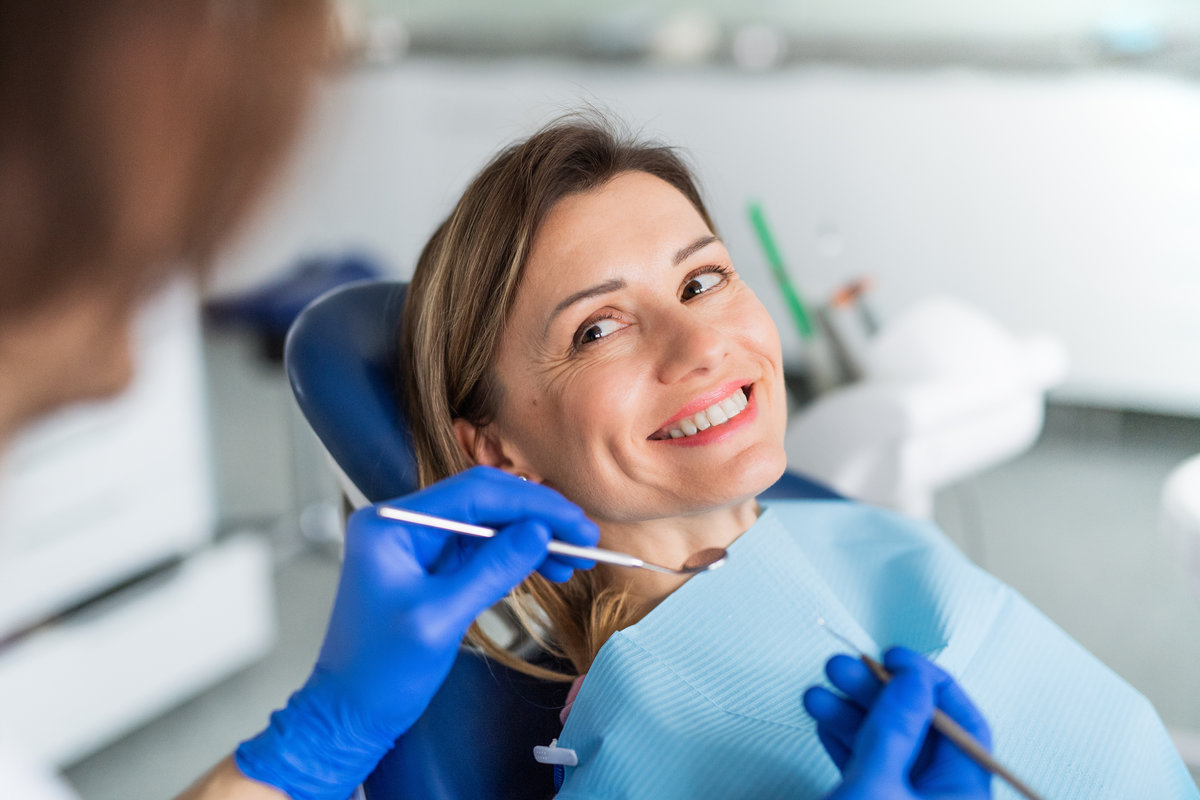
Bone grafting is not a barrier to implants — it is the step that makes them possible when the foundation is not quite there yet. At LALUME Dental Studio, Dr. Saad and Dr. Bakian bring advanced training, specialist expertise, and a shared treatment plan to every case, so the path from grafting through implant placement is coordinated, clearly explained, and efficiently timed. You will always know what is happening, what comes next, and why each step matters for your long-term outcome.
Common signs that you may need a bone graft include having a tooth extracted or missing for an extended period, recent imaging showing bone volume insufficient for an implant, a history of gum disease that has affected supporting bone, or an upcoming extraction you want to plan ahead for. A consultation at LALUME will tell you exactly where you stand. Contact our office to schedule your appointment with Dr. Saad.
Receive high-quality, personalized treatment recommendations from Dr. Saad and get answers to all your smile questions from the comfort of your own home.
Ample secure and safe paid parking located on-site.
We use cookies to improve your experience on our site. By using our site, you consent to cookies.
Manage your cookie preferences below:
Essential cookies enable basic functions and are necessary for the proper function of the website.
CloudFlare provides web performance and security solutions, enhancing site speed and protecting against threats.
Service URL: developers.cloudflare.com (opens in a new window)
These cookies are needed for adding comments on this website.
Google reCAPTCHA helps protect websites from spam and abuse by verifying user interactions through challenges.
Google Tag Manager simplifies the management of marketing tags on your website without code changes.
Statistics cookies collect information anonymously. This information helps us understand how visitors use our website.
Google Analytics is a powerful tool that tracks and analyzes website traffic for informed marketing decisions.
Service URL: policies.google.com (opens in a new window)
Marketing cookies are used to follow visitors to websites. The intention is to show ads that are relevant and engaging to the individual user.
Facebook Pixel is a web analytics service that tracks and reports website traffic.
Service URL: www.facebook.com (opens in a new window)
Google Maps is a web mapping service providing satellite imagery, real-time navigation, and location-based information.
Service URL: policies.google.com (opens in a new window)
Join Our VIP List
"*" indicates required fields