
Healthy gums form the foundation for a healthy smile, yet gum disease affects millions of Americans without obvious warning signs. This progressive condition begins quietly, often with minor bleeding during brushing, and can advance to serious complications if left untreated. The good news is that gum disease responds well to treatment, especially when caught early.
At LALUME Dental Studio, we provide comprehensive gum disease treatment that addresses both your immediate concerns and long-term oral health. Our approach combines advanced technology with personalized care, helping you restore healthy gums and maintain them for years to come. Dr. Shahira Saad and our team create treatment plans tailored to your specific stage of gum disease and individual needs.
Gum disease develops in stages, starting with gingivitis and potentially progressing to periodontitis if not addressed. Recognizing where you are in this progression helps determine the right treatment approach for your situation.
Gingivitis represents the first stage of periodontal disease, caused by plaque buildup along and under the gum line. At this stage, your gums may appear red and swollen instead of their normal pink color. You might notice bleeding when you brush or floss, even with gentle pressure. Your breath may not stay fresh despite regular brushing.
The encouraging aspect of gingivitis is its reversibility. With professional cleaning and improved home care, you can restore your gums to health. The key is addressing it before it advances to the next stage.
When gingivitis progresses untreated, it develops into periodontitis. Chronic periodontitis affects 47.2% of adults over 30 in the United States, making it a widespread concern that can lead to tissue and bone loss supporting your teeth. At this stage, pockets form between your teeth and gums, creating spaces where bacteria accumulate and infection thrives.
Your gums may pull away from your teeth, making them appear longer. Teeth can become loose or shift position. You might develop persistent bad breath that doesn’t improve with brushing. Advanced periodontitis requires more intensive treatment to prevent tooth loss and protect your overall health.

Treatment depends on how far the disease has progressed. Our approach focuses on removing infection, stopping progression, and helping your gums heal. We start with the least invasive options and advance only when necessary.
For early-stage gum disease, a thorough professional cleaning often provides the reset your gums need. We remove plaque and tartar from above and below the gum line, eliminating the bacteria causing inflammation. Scaling reaches deeper into pockets that have formed between your teeth and gums, clearing out infection and allowing tissue to heal.
Root planing smooths the root surfaces of your teeth, making it harder for bacteria to reattach. This process helps your gums reattach to your teeth naturally. Many patients notice improvement within weeks as inflammation decreases and bleeding stops.
More severe cases may require additional interventions. Antibiotic therapy targets persistent bacterial infections, either through oral medications or antimicrobial rinses applied directly to affected areas. Laser therapy removes diseased tissue with precision while promoting healing and reducing discomfort.
Gum grafting addresses gum recession, which affects about 50% of people between ages 18 and 64 according to the National Library of Medicine. This procedure covers exposed roots, reduces sensitivity, and prevents further recession. Bone grafting may become necessary when periodontitis has destroyed the bone supporting your teeth, rebuilding this foundation so your teeth remain stable.

Many people miss early warning signs because they develop gradually. Paying attention to changes in your gums helps you catch problems before they advance. Watch for bleeding during brushing or flossing, as healthy gums shouldn’t bleed with normal care. Persistent bad breath that returns shortly after brushing signals bacterial activity below the gum line.
Gums that appear red, swollen, or tender indicate inflammation. Receding gums expose more of your tooth surface and root structure. Loose teeth or changes in how your teeth fit together when you bite suggest bone loss. Pus between your teeth and gums requires immediate attention. Any of these symptoms warrant a comprehensive evaluation.
Successfully treating gum disease is just the beginning. Maintaining healthy gums requires ongoing commitment to both home care and professional support. Your daily routine forms your first line of defense against recurring problems.
Effective home care keeps bacteria under control between dental visits. We’ll guide you through proper techniques, but the fundamentals include:
These habits become easier with practice and pay off through healthier gums and fewer dental problems down the road.
Even with excellent home care, professional cleanings remain essential. We remove hardened tartar that brushing can’t eliminate and monitor your gums for any signs of recurring issues. Depending on your history with gum disease, we may recommend cleanings every three to four months rather than the standard six-month interval.
These frequent visits allow us to catch small problems before they become major concerns. Think of them as regular maintenance that protects your investment in gum disease treatment and keeps your smile healthy for the long term.

Dr. Shahira Saad provides thorough gum disease treatment using advanced technology and minimally invasive techniques in our comfortable Newport Beach practice. With her training in comprehensive dental care and commitment to patient education, Dr. Saad helps you understand your condition and the steps needed to restore gum health. Our spa-like environment features private treatment rooms with amenities designed for your comfort, from aromatherapy to noise-canceling headphones. We serve patients from Corona del Mar, Costa Mesa, Irvine, Mesa Verde,Huntington Beach and throughout Orange County.
Healthy gums support healthy teeth and contribute to your overall health and confidence. Whether you’re experiencing early warning signs or need treatment for advanced gum disease, our team provides the care you need in an environment where you feel completely at ease. Schedule your comprehensive gum evaluation by contacting us through our online form today.
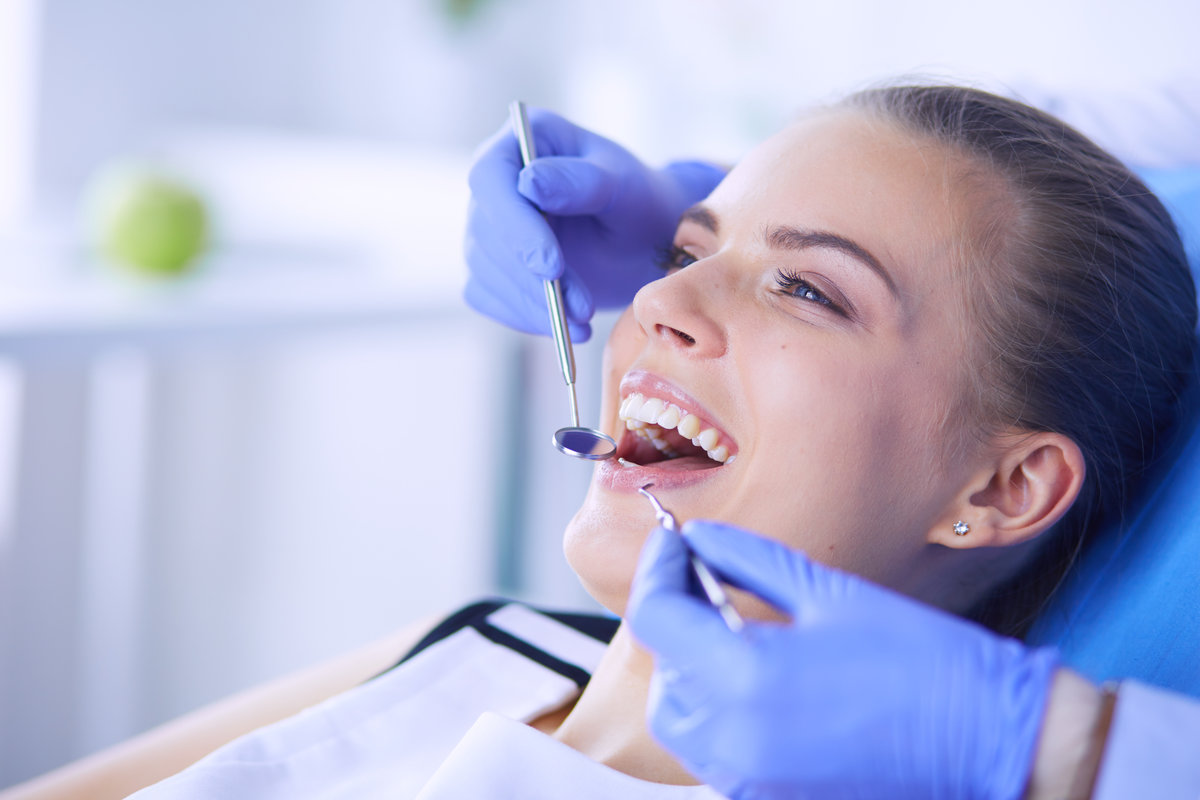
Scaling and root planing is one of the most effective non-surgical treatments for gum disease, and it is far more targeted than a standard cleaning. Understanding exactly what happens during this procedure can help patients feel at ease before their appointment and know what results to expect.
The procedure is performed in two distinct phases. Scaling involves the careful removal of plaque and calculus from above and below the gum line, reaching into the pockets that form between your teeth and gums when periodontal disease is present. Root planing follows, smoothing the root surfaces of the affected teeth to remove bacterial toxins and create a clean surface that gum tissue can reattach to naturally. Together, these steps eliminate the bacterial environment that drives inflammation and progression of gum disease. Most patients require local anesthesia for comfort, and treatment is typically divided across two appointments so each quadrant receives thorough attention. Some mild soreness in the days following treatment is normal and resolves quickly.
Knowing how to read your own gum tissue gives you an important early-warning system between visits. Healthy gums are firm, pink, and hug the base of each tooth tightly with no visible gaps or recession. They do not bleed during normal brushing or flossing, and the tissue line is consistent from tooth to tooth. Unhealthy gums tell a different story: redness, swelling, and puffiness often signal gingivitis or early periodontitis, even when there is no pain. Bleeding during brushing is one of the most common early indicators of gum disease and should never be dismissed as normal. Gum recession, which causes teeth to appear longer than usual, signals that tissue is pulling away from the tooth root. Persistent bad breath that returns quickly after brushing can also indicate bacterial activity below the gum line. If you notice any of these signs, scheduling an evaluation at our preventive dentistry practice in Newport Beach is an important next step before the condition has a chance to progress.

Receive high-quality, personalized treatment recommendations from Dr. Saad and get answers to all your smile questions from the comfort of your own home.
Ample secure and safe paid parking located on-site.
We use cookies to improve your experience on our site. By using our site, you consent to cookies.
Manage your cookie preferences below:
Essential cookies enable basic functions and are necessary for the proper function of the website.
CloudFlare provides web performance and security solutions, enhancing site speed and protecting against threats.
Service URL: developers.cloudflare.com (opens in a new window)
These cookies are needed for adding comments on this website.
Google reCAPTCHA helps protect websites from spam and abuse by verifying user interactions through challenges.
Google Tag Manager simplifies the management of marketing tags on your website without code changes.
Statistics cookies collect information anonymously. This information helps us understand how visitors use our website.
Google Analytics is a powerful tool that tracks and analyzes website traffic for informed marketing decisions.
Service URL: policies.google.com (opens in a new window)
Marketing cookies are used to follow visitors to websites. The intention is to show ads that are relevant and engaging to the individual user.
Facebook Pixel is a web analytics service that tracks and reports website traffic.
Service URL: www.facebook.com (opens in a new window)
Google Maps is a web mapping service providing satellite imagery, real-time navigation, and location-based information.
Service URL: policies.google.com (opens in a new window)
Join Our VIP List
"*" indicates required fields